

The Future of AI in Marketing: Trends, Tools, Strategies, and Impact for 2026 and Beyond
What Are the Key AI Marketing Trends Shaping 2026?
- Agentic AI: Autonomous systems that plan and execute multi-step campaigns with built-in feedback loops for continuous optimization. Think of it as your marketing campaigns running themselves, smarter every day.
- Hyper-personalization: Real-time tailoring of messages and experiences using your first-party identity and behavioral signals. This is about delivering exactly what your customer needs, precisely when they need it.
- Multimodal AI Content: Models that create, adapt, and optimize text, audio, image, and video assets for every channel and format imaginable. Your content creation just got a massive upgrade.
- Real-time Decisioning: Low-latency inference engines that respond to session-level signals to change offers and creative in the blink of an eye. Imagine your website adapting instantly to every visitor.
- Ethical and Transparent AI: Governance, explainability, and privacy-preserving techniques that aren't just nice-to-haves, but essential for regulatory compliance and, more importantly, building customer trust.
How Is Agentic AI Transforming Autonomous Marketing Campaigns?
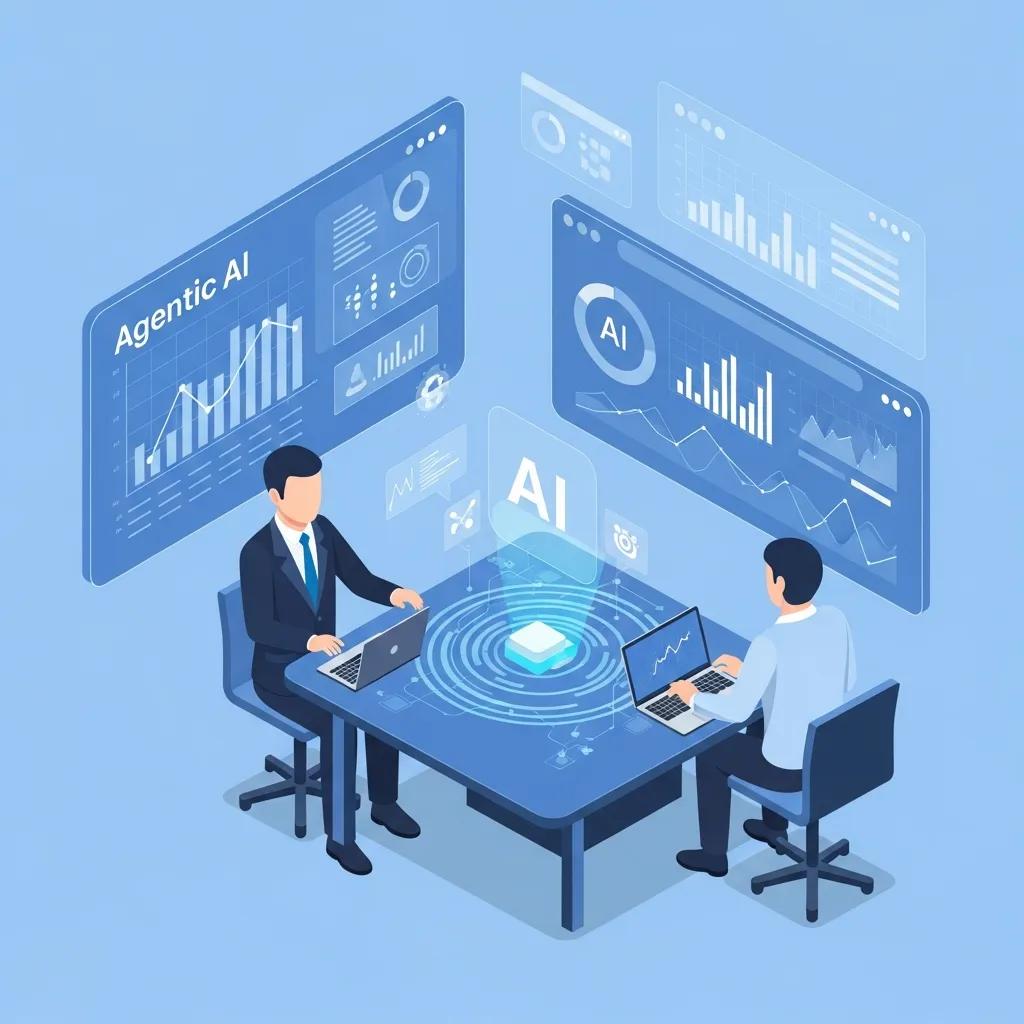
Agentic AI: Autonomous Systems & Governance in Future AI
Agentic frameworks represent a paradigm shift in artificial intelligence, transitioning from reactive systems to autonomous entities capable of perceiving environments, reasoning about complex situations, planning actions, and executing decisions aligned with specific goals. These architectures integrate multiple specialized components—perception modules, world modeling capabilities, goal management systems, planning mechanisms, and action execution frameworks—working in concert to enable proactive behavior in dynamic environments. While offering transformative potential across domains including robotics, healthcare, finance, and human-AI collaboration, agentic systems simultaneously present significant challenges related to safety, value alignment, interpretability, and governance.
Designing the Mind: How Agentic Frameworks Are Shaping the Future of AI Behavior, 2025
What Role Does Hyper-Personalization Play in Enhancing Customer Experience?

Which AI Tools Are Revolutionizing Marketing Practices Today?
| Tool Category | Primary Use Case | Typical Benefit |
|---|---|---|
| Generative AI Platforms | Content ideation, drafts, localization | Faster content production, variant scaling |
| Predictive Analytics Tools | Propensity scoring, forecasting | Improved targeting accuracy, reduced waste |
| Automation / Orchestration Platforms | Workflow execution, multi-channel campaigns | Shorter time-to-launch, consistent executions |
| Real-time Personalization Engines | Dynamic offers and creative at session level | Higher conversion through context-aware messaging |
How Do Generative AI Platforms Enhance Content Creation?
What Are the Benefits of Predictive Analytics and Automation Tools?
How Can Businesses Develop Effective AI Marketing Strategies?
- Assess Data Readiness: Audit your first-party data quality, identity resolution, and integration points. This is your foundation.
- Pilot Focused Use-Cases: Choose one high-impact funnel stage for an initial pilot with clear, measurable KPIs. Start small, learn fast.
- Validate Models: Use holdouts, cross-validation, and fairness checks to confirm predictive performance. Trust, but verify!
- Operationalize with Automation: Integrate scores into orchestration platforms, always with human checkpoints.
- Govern and Scale: Establish documentation, audit cadence, and clear escalation paths *before* you scale.
| Strategy Component | Required Inputs | Expected Outcome |
|---|---|---|
| Data | Unified first-party profiles, event streams | Reliable features and fresher signals |
| Models | Training datasets, validation protocol | Actionable propensity and segmentation scores |
| Teams | Data engineers, ML analysts, marketers | Faster deployment and accountable ownership |
| Governance | Documentation, fairness checks, privacy controls | Transparent and auditable AI deployments |
What Are Best Practices for Data-Driven Campaigns and Customer Journey Optimization?
How Does Real-Time Engagement Improve Marketing Outcomes?
What Is the Impact of AI on Marketing Roles and Workforce Dynamics?
How Are Marketing Jobs Evolving with AI Integration?
What Skills Are Essential for Human-AI Collaboration in Marketing?
What Ethical Considerations Must Marketers Address When Using AI?
How Can Algorithmic Bias and Data Privacy Be Mitigated Responsibly?
What Guidelines Support Transparent and Ethical AI Deployment?
How Is ROI Measured for AI Marketing Initiatives?
| Measurement Focus | Example KPI | Use-Case Mapping |
|---|---|---|
| Model Performance | Precision / Recall | Personalization and propensity models |
| Campaign Impact | Conversion Rate Lift | Generative content and creative tests |
| Economic Outcome | CAC, LTV, Incremental Revenue | Automation and budget allocation changes |




0 Comments