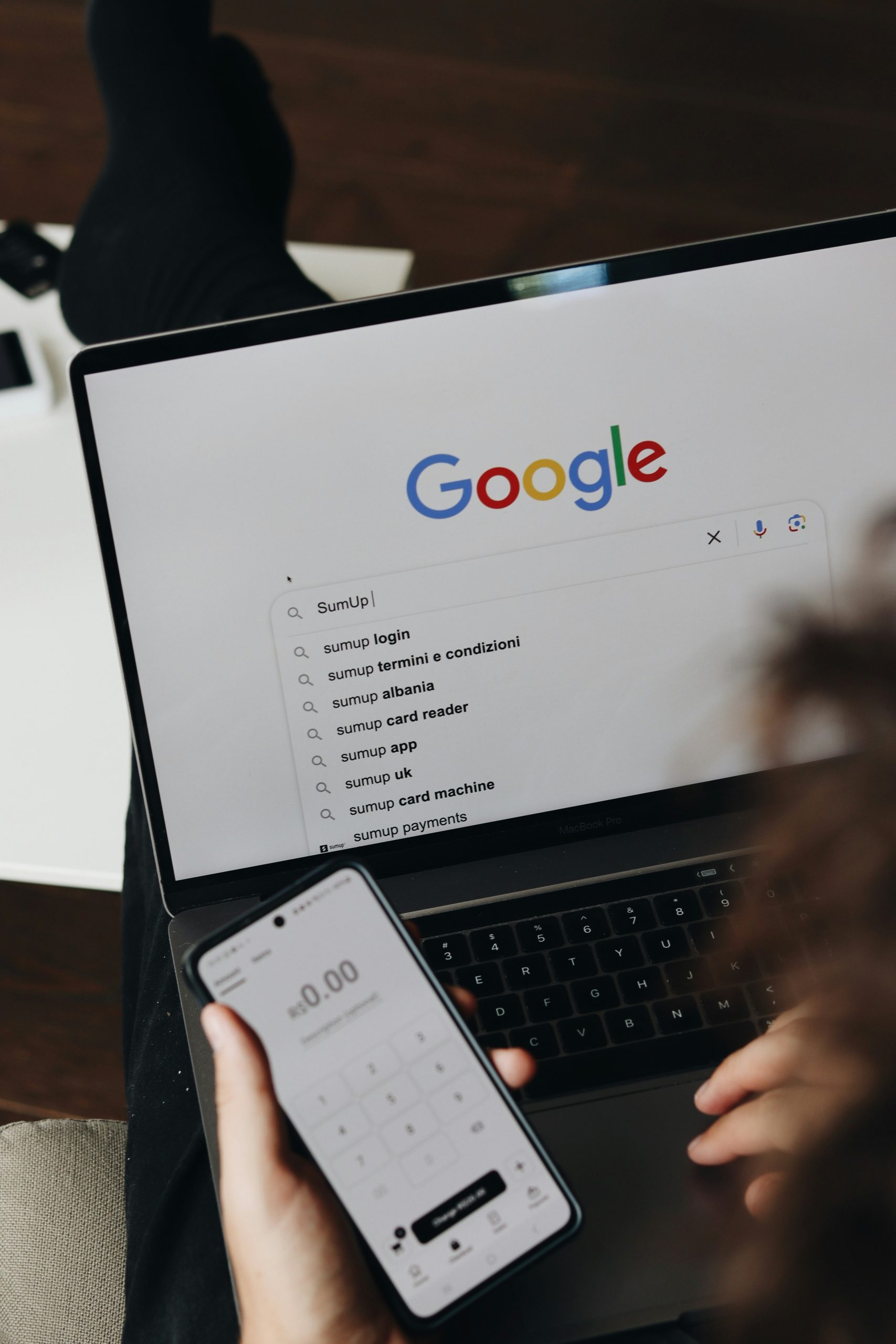
Let’s get real for a second: SEO isn’t dead — but it’s definitely not what it used to be.
Once upon a time, visibility was a straightforward game of optimizing for algorithms. You picked your keywords, built your backlinks, and waited for Google to reward your consistency.
Fast-forward to 2025, and that playbook feels like a fossil.
Today, AI isn’t just influencing SEO — it is SEO. From Google’s AI Overviews to Bing Copilot to conversational search models like Perplexity and ChatGPT’s Search Mode, the way content gets discovered, interpreted, and ranked has been fundamentally rewritten.
AI isn’t a behind-the-scenes assistant anymore. It’s the new gatekeeper of visibility — deciding what gets seen, cited, and shared.
And in this new era, traditional SEO pillars still matter… but they’ve evolved.
Let’s break down the four core pillars of SEO — and how artificial intelligence has transformed each one.
1. On-Page SEO: Optimizing for Both Humans and Machines
On-page SEO has always been the foundation of visibility — but in 2025, the rules of engagement have changed.
It’s no longer just about writing keyword-rich copy; it’s about creating content that AI can understand, extract, and trust.
Traditional On-Page SEO Focused On:
-
Keyword-rich, high-quality content
-
Logical heading structure (H1, H2, H3)
-
Internal links for site architecture
-
User-friendly navigation
But Here’s How AI Has Rewritten the Playbook:
-
AI Overviews Are the New Front Page:
Google’s AI-generated summaries often pull direct answers from pages. If your content isn’t structured clearly — with scannable subheadings, bullet points, and contextual clarity — you’ll miss the chance to be featured or cited. -
Featured Snippets & Passage Ranking Matter More Than Ever:
Generative search models are trained to extract sections of information. Structuring your content into digestible “answer blocks” makes it easier for AI to identify and reuse your expertise. -
Refresh Cycles Drive Relevance:
With AI tools allowing competitors to spin out new content weekly, stale pages die fast. Freshness and update frequency have become ranking signals.
🧠 Momentive Insight: Run your top 10 pages through Google Search Console. Look for keywords ranking between positions 11–30 — your page-two goldmine. Use AI (yes, ChatGPT or Gemini) to refine those pages, add structured Q&A sections, and include semantic keywords AI models expect to see.
Being AI-optimized doesn’t mean sounding robotic — it means being structured, answerable, and authoritative.
2. Off-Page SEO: Building Authority in an AI-First Web
If on-page SEO tells search engines what you do, off-page SEO tells them who trusts you.
In 2025, AI models measure authority differently — not just by backlinks, but by brand credibility signals spread across the web.
Traditional Off-Page Focus:
-
Backlinks from high-authority domains
-
Social shares and mentions
-
Brand citations
How AI Has Changed the Game:
-
Brand Mentions Now Matter as Much as Links:
AI models like Gemini, GPT, and Claude 3 “learn” about your brand contextually. Even unlinked mentions across reputable platforms can reinforce your authority. -
PR Is the New Link Building:
Forget link farms and directory submissions. AI-powered search engines prioritize earned visibility — think interviews, digital PR, thought leadership, and high-authority mentions. -
EEAT = The New SEO Currency:
Experience. Expertise. Authority. Trust. These aren’t buzzwords — they’re ranking signals.
Your CEO’s LinkedIn insights, podcast appearances, and published research directly influence your brand’s credibility footprint.
💡 Momentive Tip: Subscribe to HARO (Help a Reporter Out) or Qwoted. Each time your brand is quoted or referenced by a journalist, you strengthen the contextual “memory” AI has of your authority.
Remember: in the AI-first era, the internet isn’t just crawling pages — it’s training on reputation.
3. Technical SEO: Preparing Your Site for AI Crawlers
Technical SEO has always been about accessibility — making sure search engines can crawl, index, and render your site efficiently.
But in the age of generative AI, technical SEO has evolved into machine comprehension.
Traditional Technical SEO Basics:
-
Page speed optimization
-
Mobile responsiveness
-
XML sitemaps and canonical tags
-
Clean site architecture
AI-Driven Technical Priorities for 2025:
-
Schema Markup Is Now Non-Negotiable:
AI models rely on structured data to “understand” context. Schema types likeArticle,FAQ,Person, andOrganizationhelp engines connect your content to entities — crucial for inclusion in AI Overviews and citations. -
Page Experience Directly Impacts AI Ranking:
Google’s AI Overviews heavily weigh Core Web Vitals — speed, responsiveness, and visual stability. A one-second delay can reduce visibility across both AI and organic results. -
Media Optimization Has Gone Visual:
With AI-driven image and video search expanding, you need alt text, caption metadata, and image schema to make your visuals discoverable.
⚙️ Momentive DIY Tip: Use Google’s PageSpeed Insights and Core Web Vitals reports. Tackle your top 3 issues — usually large images, third-party scripts, or render-blocking JavaScript. The faster your site, the more AI trusts it.
Technical SEO is no longer just a backend checklist — it’s your AI-readability score.
4. Local SEO: Winning the “Near Me” Game in an AI World
For local businesses, AI has rewritten the rules of proximity and intent.
You’re no longer optimizing just for “keywords” — you’re optimizing for context and conversation.
Traditional Local SEO Elements:
-
Localized keywords (city, service)
-
Customer reviews and star ratings
How AI Has Raised the Bar:
-
AI-Powered Map Packs:
Google’s AI can now infer relevance without exact match phrases. If someone asks, “best vegan brunch spots with live music,” AI pulls from entity relationships — not just keyword tags. -
Voice Search Optimization:
70% of voice searches use conversational phrasing. Optimize your content for natural queries like “Where can I find…” or “Who offers…” -
Review Sentiment Scoring:
AI doesn’t just count reviews; it reads tone. Reviews that include specific services and locations help reinforce entity-based trust.
📍 Momentive Pro Tip: Ask customers for reviews that include descriptive phrases, like:
“Christina’s Momentive Media team built an incredible AI SEO strategy for our dental practice in Dallas.”
That one review strengthens your location relevance, service context, and AI comprehension — all at once.
Local SEO has become local intelligence optimization — helping AI understand who you serve, not just where you are.
The Bottom Line: The Four SEO Pillars Still Stand — But AI Has Reinforced Them with Steel
The fundamentals of SEO — on-page, off-page, technical, and local — haven’t disappeared.
They’ve simply evolved into something smarter, faster, and far less forgiving.
Search engines are now answer engines.
Visibility is no longer just about ranking; it’s about being referenced, cited, and trusted by the AI systems millions rely on.
So if you’re still treating SEO like a keyword game, you’re competing with yesterday’s rules.
At Momentive Media, we’re helping brands bridge that gap — blending traditional SEO foundations with AI-driven optimization frameworks that make your business discoverable and credible in this new landscape.
Because the truth is simple:
The brands that adapt to how AI understands the web will own the next decade of search.
About the Author
Christina Rae Blackmon is the CEO of Momentive Media, a digital strategy firm specializing in AI-first SEO, content authority, and brand reputation systems. With over 15 years of experience leading marketing transformations, Christina helps brands shift from keyword chasers to category leaders in the era of intelligent search.
👉 Free Resource: Download our AI-Powered SEO Starter Guide and take the first step toward building your own AI SEO Optimizer Agent.
FAQ: How AI Has Redefined SEO in 2025
Q1: Is SEO still relevant in the age of AI?
A1: Absolutely — SEO isn’t dead; it’s evolving.
While AI now powers much of how search engines interpret and rank content, the foundations of SEO — on-page, off-page, technical, and local — still matter.
What’s changed is how those pillars are optimized.
AI-driven search engines now prioritize structured content, semantic clarity, and credibility signals over keyword repetition.
Christina’s Take: “If SEO used to be about keywords, 2025 SEO is about comprehension. AI doesn’t just read your content — it understands it.”
Q2: What is Generative SEO or AI-Driven SEO?
A2: Generative SEO (also called AI-driven SEO) focuses on optimizing your content for how AI systems discover, interpret, and cite information.
This includes formatting content into answerable sections, adding schema markup, and publishing original, authoritative insights that AI models can confidently reference in summaries like Google’s AI Overviews.
Pro Insight: “In an AI-first search world, you’re not just optimizing for users — you’re optimizing for machines that explain your content to users.”
Q3: How has On-Page SEO changed in 2025?
A3: On-page SEO is no longer about keyword density — it’s about clarity, context, and structure.
AI systems favor content that’s easy to parse and extract, meaning you should:
-
Use clear subheadings (H2/H3) and short, answer-based paragraphs
-
Add FAQ and Article schema
-
Refresh posts frequently to signal relevance
Christina’s Tip: “Structure your content like you’re teaching it to a smart intern — clear, factual, and organized. That’s how AI reads the web.”
Q4: What’s the biggest change in Off-Page SEO with AI?
A4: Backlinks still help, but brand reputation now drives authority.
AI models learn from mentions, citations, and signals across the web — even without links.
Your digital footprint — podcasts, interviews, PR, guest features — now shapes how AI perceives your expertise.
Christina’s Take: “PR is the new link building. Google’s crawlers read links; AI crawlers read credibility.”
Q5: How can I improve Technical SEO for AI search engines?
A5: Technical SEO has become the language AI uses to understand your site.
Focus on:
-
Adding structured data (schema) for every content type
-
Optimizing Core Web Vitals for speed and usability
-
Ensuring images, videos, and alt text are machine-readable
-
Maintaining a clean, crawlable site structure
Christina’s Tip: “Your site doesn’t just need to load fast — it needs to speak AI fluently. Schema is your translator.”
Q6: What’s the role of Local SEO in an AI-powered search world?
A6: Local SEO is more dynamic than ever.
AI can infer context, location, and intent — even when users don’t use exact phrases.
That means your reviews, tone, and entity consistency matter as much as your location keywords.
Voice search and “near me” queries now pull results from entity relationships, not just proximity.
Christina’s Tip: “Local SEO isn’t about maps anymore — it’s about meaning. AI connects who you are, where you are, and why you’re relevant.”
Q7: How does E-E-A-T (Experience, Expertise, Authority, Trust) impact SEO now?
A7: E-E-A-T is no longer an abstract concept — it’s baked into AI ranking logic.
Search systems now evaluate who is speaking, what proof they provide, and where their authority comes from.
That means you need:
-
Real author bios with credentials
-
Original insights or data
-
Clear sourcing and citations
Christina’s Take: “AI doesn’t just trust experts — it verifies them. If your expertise isn’t documented, it doesn’t exist online.”
Q8: How often should businesses update their SEO strategy in 2025?
A8: Quarterly.
With AI models evolving at record speed, your SEO framework should be reviewed and refreshed every 3–4 months.
That includes updating schema, refreshing top pages, and aligning your content with new AI visibility features like Google’s AI Overviews and Search Generative Experience (SGE).
Momentive Insight: “Think of your SEO like an operating system — if you’re not updating it regularly, you’re running outdated code.”
Q9: How can small businesses stay competitive with AI-driven SEO?
A9: Focus on precision and credibility over volume.
Small businesses can win by:
-
Restructuring old blogs into Q&A formats
-
Publishing original data or customer insights
-
Adding FAQ schema and “last updated” timestamps
-
Staying active on social channels where niche communities live
Christina’s Take: “You don’t need 100 blogs a year — you need 10 that AI can’t ignore.”
Q10: What’s the next big shift coming for SEO after AI?
A10: The next frontier is multi-modal search — where text, voice, and visuals merge.
AI will soon analyze images, video, and audio with the same comprehension it gives text.
That means optimizing your visuals with metadata, transcripts, and descriptive schema will soon be non-negotiable.
Christina’s Prediction: “The future of SEO isn’t words vs. images — it’s all of it, interpreted by AI as one connected story.”
AI User-Generated Content Ownership Statement & Disclaimer
This blog incorporates proprietary AI-assisted tools for outlining, but all final copy is human-written, reviewed, and owned by Momentive Media. We build proprietary AI Agents to help expedite our processes while keeping humans at the center of our storytelling. We retain full editorial control, authorship, and responsibility for the content we publish.




0 Comments